
A balance between exercise and food intake is essential, as this helps maintain muscle strength and healthy body weight. At least 30 minutes of moderate physical activity, such as walking, is recommended daily to raise your metabolism 3-4 times its resting state. See Know your METs for prevention of disease.
A healthy diet should include a wide variety of nutritious foods for sufficient intake of all nutrients, including vitamin and minerals. Foods to include are vegetables, fruits, grains, beans, fish – a diet low in fat and high in fibre. A healthy diet can help you maintain a healthy weight and decrease your risk of many diet-related chronic diseases, such as cardiovascular disease, type 2 diabetes and some cancers.
Tips to incorporate into your diet:
- Plenty of whole grains, fruits, vegetables, legumes such as lentils, chickpeas, red kidney beans.
- Low salt foods.
- Small amounts of food that contain added sugar.
- Reduced-fat milk and other dairy products.
- Eat a minimum of animal foods (less than 10% of daily caloric intake).
- Adequate daily amount of water (Men 3L Women 2L).
To get started on a walking programme today click link below:
15 weeks training schedule (Beginner level)
You may consider analysing your diet to know if your nutrition is balanced. Whether you want to lose weight, tone up or optimise your performance, your daily nutrition needs to provide you with the right amount, type and timing of food.
For more information, contact Marie at marie@mariemurphyhealthfitness.com


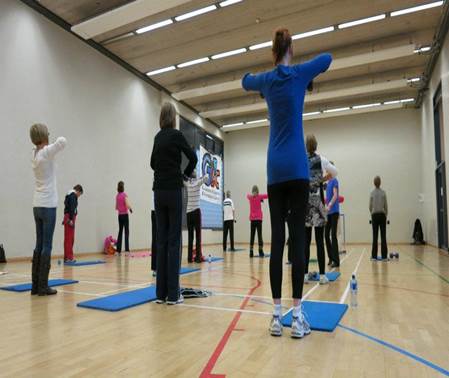




 Whenever I give my talks on exercise and nutrition I speak about the five leading biomarkers of cancer risk. More importantly they are the reason I designed the Murphy METs Programme Research studies have shown that resistance training affects the same biomarkers as when you do aerobic training. Which means when you combine both cardiovascular and resistance training as part of your physical activity you get double the benefits?


 of the diverse challenges life throws out, but it is the positive things that come from our adversities that shapes us. Cathy’s book is full of inspiration and I’m sure it will bring strength and courage to all who read it.

 Standard metabolic equivalent (MET) is a unit used to estimate the amount of oxygen used by the body during physical activity. 1 MET = the energy (oxygen) used by the body at rest, while sitting quietly or laying down. The harder your body works during an activity, the more oxygen is consumed and the higher the MET level you are performing at.

 This week we met with the Minister of Health ‘Leo Varadkar’ and discussed the plans for the centre. I had the opportunity to share with him a little about the ‘Murphy (METs) Programme’ and my goal to increase awareness to the health benefits associated with daily physical activity and draw attention to the amount and intensity of physical activity for cancer survivors to achieve these benefits; physiologic, metabolic and psychological.
 These types of exercises would include brisk walking (about 3-4 miles in an hour). Walking is an excellent exercise; however, it is important to do enough of it to increase the number of METs. While the American College of Sports Medicine (ACSM) has determined that people need 4-6 METs five days per week, some exercise research suggests that you need more and it is recommended that people strive for 15-20 METs per week. To figure out how many METs you are using and how to increase it, consider the following;